What Does It Cost to Charge a BYD in the Philippines? Home vs Public Charging, Explained in Pesos
Charging a BYD at home is usually the cheapest option, public AC costs more, and DC fast charging costs the most. This guide compares published Philippine rates, shows how to estimate a charge in pesos, and flags that prices change and vary by area.
Charging a BYD in the Philippines can cost very different amounts depending on where you plug in. Home charging is usually cheapest, commercial public AC sits in the middle, and DC fast charging costs the most. This guide shows published rates, who runs the commercial chargers, a simple way to estimate your own cost, and the caveats that matter.
Independence notice: BYDPH.org is an independent community and is not affiliated with or endorsed by BYD or its Philippine distributor.
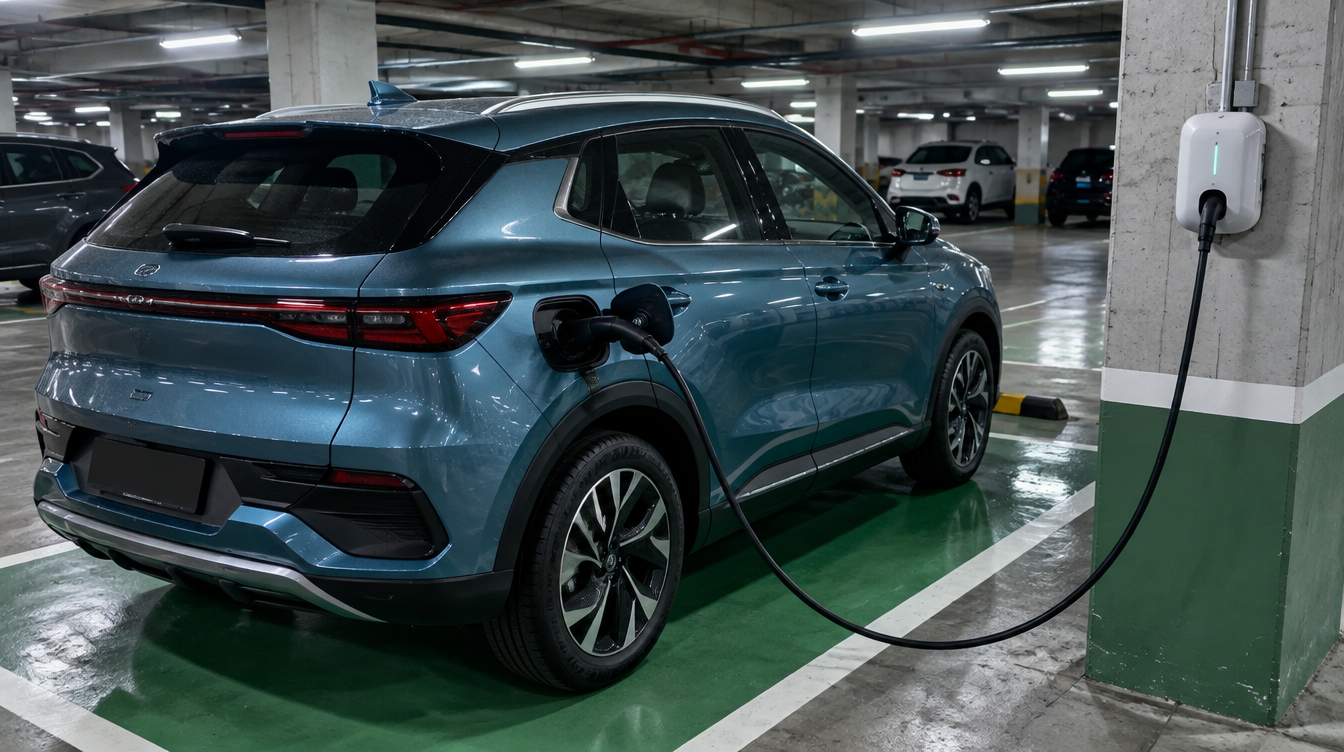
The short version
- Home is cheapest per kWh, but the figure excludes installation and other costs.
- Commercial AC chargers cost more per kWh and suit a car that will be parked for hours.
- DC fast charging costs the most and is best kept for trips or top-ups.
- Some malls charge for free, usually with limits and normal parking fees.
All rates below are snapshots. Rates change and differ by area, so check the network app or your utility before you rely on them.
Home electricity rates
Meralco area. Meralco's overall residential rate for October 2026 was reported at about PHP 15.06 per kWh, up from about PHP 14.74 in September. A TopGear PH comparison from April 2026 used PHP 15.55 per kWh. The rate moves every month and only applies in Meralco's franchise area.
Outside Meralco. Other utilities and cooperatives charge different rates. A BYDPH.org editor reports that Cebu households pay about PHP 17 per kWh. We have not checked that against the utility's published rate, so treat it as unverified and check your own bill.
Commercial charging networks in the Philippines
A July 2026 guide counted about 378 publicly mapped stations in more than 33 cities. About 89 were free, mostly at malls, and about 261 charged a fee, typically PHP 20 to 38 per kWh. The Department of Energy counted 912 public stations in March 2025 and aims for around 7,300 by 2028, according to Malaya. Counts differ by source and date.
The main operators reported are:
- ACMobility is the largest third-party network. It began paid charging on 12 December 2024, with DOE-approved fees of PHP 28.50 per kWh for AC and PHP 35 per kWh for DC, paid cashlessly through its app. Expressway.PH lists 230 ACMobility locations, 58 with DC fast charging, though another guide counts fewer, so confirm in the app.
- SM Supermalls offers free charging, mostly 7.4 kW AC, with a three-hour limit. The July 2026 guide warns the free policy may not last.
- Tesla Superchargers and Destination chargers are for Tesla owners only, so they are not an option for a BYD.
- Others include Megaworld, Solarius, V-GREEN, Phoenix Petroleum and some hotels and resorts. We found no confirmed rates for them.
In the Visayas. Expressway.PH's listing shows ACMobility AC at about PHP 33.50 per kWh in Cebu, at sites such as Ayala Center Cebu, and DC at BYD Cebu Mandaue at PHP 33.50 to 38. That is higher than the Metro Manila AC rate. These come from a map listing that says to confirm live availability in the app.
Rules are still developing. The DOE has said it would issue guidelines for charging providers, so requirements for businesses that host chargers may change.
Why commercial charging costs more
Chargers are expensive to build. Autoindustriya reports that a typical AC charger of up to 11 kW costs about PHP 900,000, while a high-power DC fast charger costs about PHP 1.5 million or more, before utility upgrades and cabling. That is editorial context, not a breakdown of any network's pricing, but it helps explain why DC fast charging is priced above home electricity.
How to estimate your own cost
The formula is simple:
Energy added (kWh) x price per kWh = cost
BYD Cars Philippines' charging guide suggests keeping daily charging roughly between 20% and 80%, so a typical charge adds about 60% of the battery. This example uses battery sizes from BYD Cars Philippines (Seagull 30 kWh, Atto 3 Premium 60.48 kWh) and ignores charging losses.
- Seagull, 20 to 80% (about 18 kWh): home about PHP 271 at the Meralco rate or PHP 306 at PHP 17, AC at PHP 28.50 about PHP 513, DC at PHP 35 about PHP 630.
- Atto 3 Premium, 20 to 80% (about 36 kWh): home about PHP 547 at the Meralco rate or PHP 617 at PHP 17, AC at PHP 28.50 about PHP 1,034, DC at PHP 35 about PHP 1,270.
- Cebu AC at PHP 33.50: about PHP 603 for the Seagull and about PHP 1,216 for the Atto 3 Premium.
Real costs run a little higher, because some energy is lost as heat while charging. Battery capacity figures can also be gross rather than usable. Treat the numbers as a guide, not a bill.
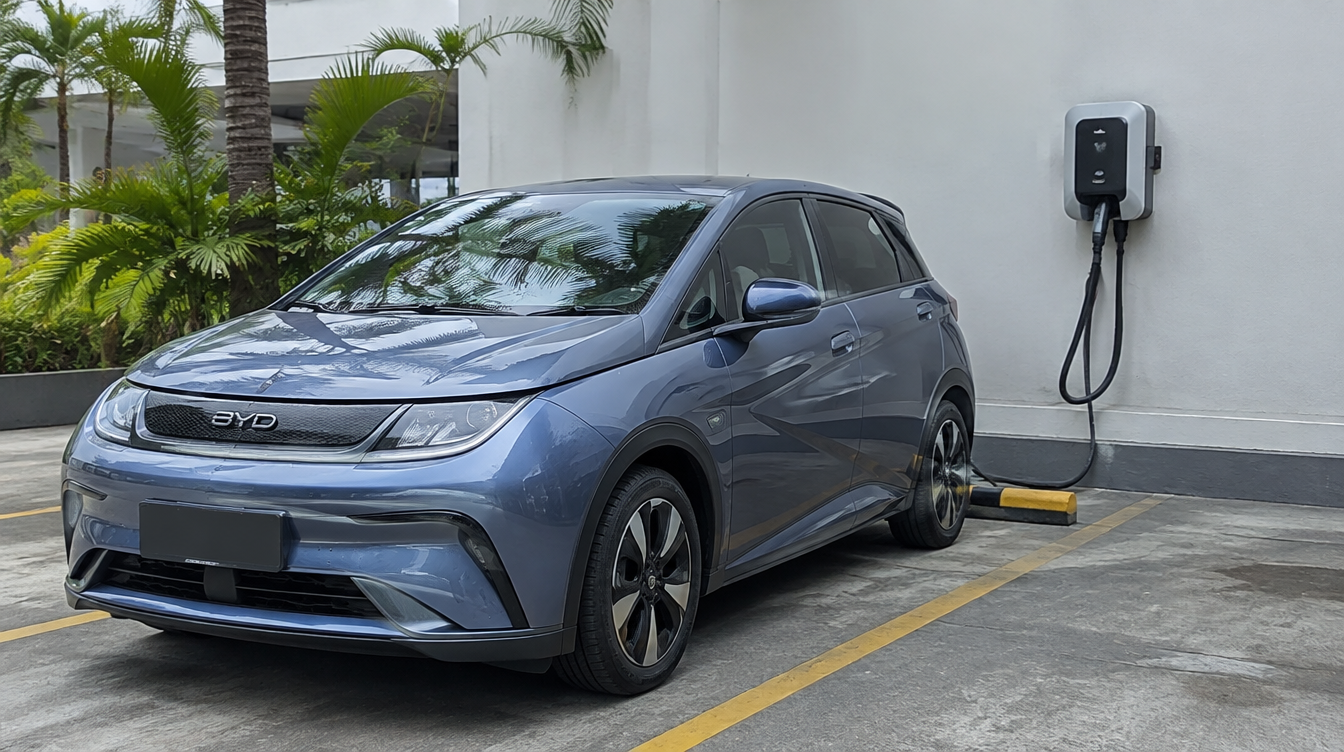
What home charging really costs
The home figure covers electricity only. If you install a wall box, add the cost of the charger, installation and any electrical upgrade. We have not confirmed a typical installation price for the Philippines, so get a quote. BYD Cars Philippines recommends overnight charging at home with a wall box, and lists 7 kW AC for the eMAX 7, Seagull and Atto 3. Check the right charger for your model with your dealer.
Practical tips
- Match the charger to the stay. Use AC where the car sits for hours, and keep DC for when you are in a hurry.
- Check the network app first. Prices differ by network, area and plan. TopGear PH notes a subscription gives credits but the per-kWh cost stays the same.
- Look at the whole cost. Parking fees can add to a free or cheap session.
- Use your own figure. Take the home rate from your own electricity bill.
Owner experience
[Placeholder: a verified owner may add their own monthly charging cost and setup. Owner figures should be labelled as community-reported, not confirmed. Not written by the drafting assistant.]
Where to learn more
- Top Gear Philippines: EV charging station cost comparison (April 2026)
- Expressway.PH: EV charging guide
- Expressway.PH: ACMobility charging stations
- BYD Cars Philippines: charging guide
- Manila Bulletin: ACMobility introduces paid EV charging
- Autoindustriya: why the Philippine EV charger network is slow to expand
- Your BYD owner manual, your electricity bill and your authorized BYD dealer
Last checked: 4 November 2026. Rates, plans and free-charging terms change often.
Please read this as one informed perspective, not the final word. This article shares community research and experience. It may be incomplete or out of date, and it is not official guidance from BYD or its distributors. Before you act on it, check your owner's manual or an authorized service center, especially on safety, warranty and high-voltage matters.